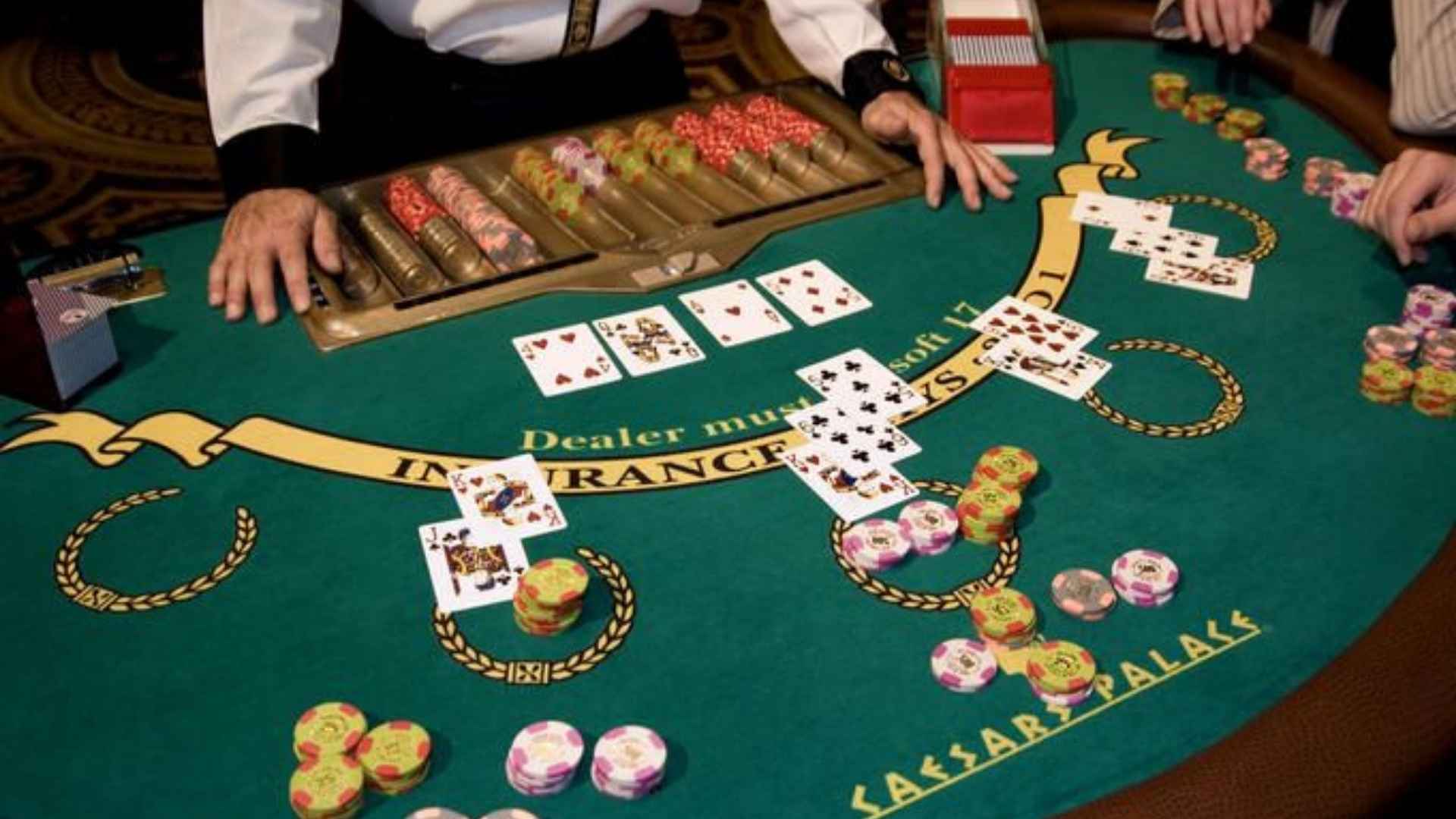
Solitaire is frequently viewed as a simple game of luck played to pass the time on a quiet afternoon. However, deep dive variations of this classic card puzzle require immense foresight, logical analysis, and tactical adaptation. Engaging regularly with complex versions of the game can significantly sharpen an individual's problem-solving skills and long-term planning abilities.
The Multi-Layered Challenge of Spider Solitaire
Spider Solitaire stands out as one of the most mentally demanding single-player card games available. Unlike traditional variations, it challenges players to manage multiple suits simultaneously across ten distinct columns. Every individual transaction requires meticulous foresight to prevent blocking essential shifting sequences.
Successfully conquering a difficult four-suit layout demands that players think several moves ahead before executing a single card transfer. You must constantly evaluate the risks of exposing hidden downcards versus maintaining clean columns. This continuous risk assessment builds superior spatial awareness and strengthens mental flexibility over extended gaming sessions.
Developing Long-Term Foresight via FreeCell
FreeCell alters the traditional single-player dynamic by making virtually all cards visible from the very beginning of the deal. Because luck is minimal, winning depends entirely on your ability to map out a clear sequence of tactical maneuvers. The four temporary open storage spaces act as dynamic resources that must be managed with extreme caution.
Experienced players utilize these free cells sparingly, knowing that filling them too quickly eliminates their strategic options. Navigating these digital card layouts requires similar cognitive steps as planning advanced chess maneuvers or resolving complex coding puzzles. For those interested in digital platforms that host multiple modern challenges, checking an updated portal like m88 asia login can lead to highly interactive mental workouts.
Enhancing Working Memory Retention
Playing advanced card games regularly exercises your short-term working memory capacity. Players must hold complex operational paths in their minds while analyzing how drawing a new card will affect the entire tableau setup. This steady mental exertion trains the brain to recall patterns more effectively in daily life.
Furthermore, managing these card sequences helps reduce cognitive decline by reinforcing neural pathways associated with active logical reasoning. The deliberate pace of single-player card gaming offers a low-stress environment where you can deliberately test new theories without a countdown timer. Over time, these habits translate into improved decision-making workflows under real-world scenarios.
The Psychology of Delayed Gratification
Strategic card games teach players the structural value of patience and delayed gratification. A common mistake among novices is moving every available card to the foundation piles immediately without considering future implications. Professionals often leave useful cards on the main board to help uncover hidden stacks beneath them.
Learning to resist immediate rewards in favor of long-term success is a core pillar of high-level strategic behavior. By approaching each deal as a serious cognitive exercise rather than a passive pastime, you convert simple leisure hours into an effective brain-training routine. Ultimately, regular practice with these classic variations builds a sharper mind capable of handling complex everyday tasks.