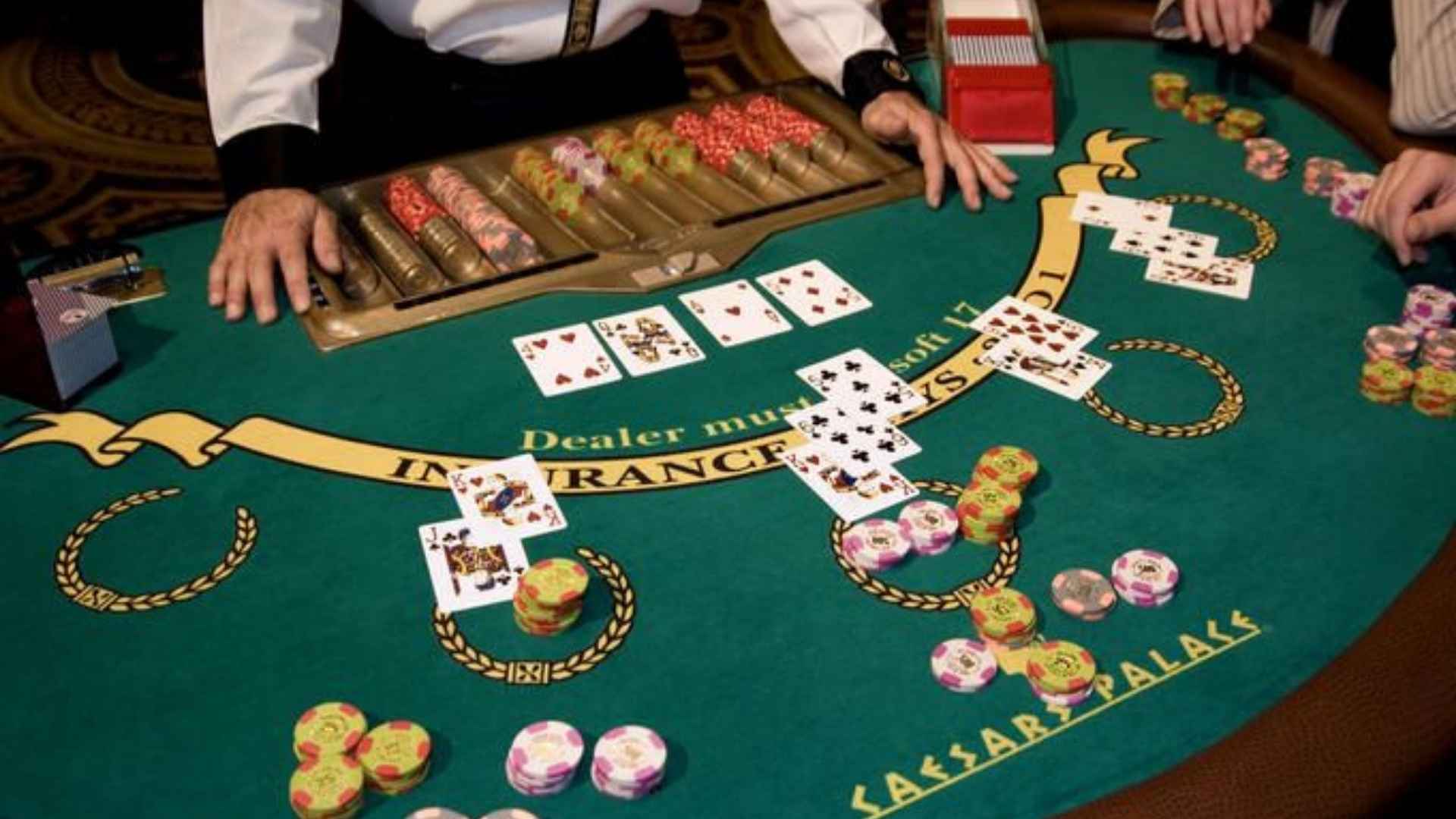
Many baccarat players spend considerable time analyzing visual scoreboards in an effort to predict future outcomes. While observing past hands can make the game more engaging, relying on these records to forecast trends often leads to misinterpretations. Understanding how baccarat results actually work requires recognizing the independence of each round rather than searching for hidden mathematical sequences.
The Illusion of Trends on Baccarat Scoreboards
Electronic roadmaps display historical outcomes using intricate grids of dots and lines. Players often interpret consecutive wins for one side as a signal that a streak will continue or break. However, these visual tracking systems merely document what has already occurred without altering future probabilities.
Cognitive tendencies, such as confirmation bias, lead observers to focus on successful predictions while ignoring contradictory evidence. Recognizing that these visual patterns are random clusters helps maintain a realistic perspective. Viewing scoreboard data as historical history rather than a predictive roadmap prevents falling into common analytical traps.
Independent Events and Statistical Probabilities
Each round of baccarat operates as an independent event governed by fixed mechanical rules. The cards remaining in the shoe influence probabilities slightly, but past outcomes have no physical effect on the next deal. Believing that a specific side is due for a win after a long streak is a classic misinterpretation of probability theory.
Statistically, the Banker and Player hands maintain near-equal likelihoods of winning across large sample sizes, with the Banker holding a slight edge due to drawing rules. When participating in games on platforms like m88 casino, keeping these underlying mathematical principles in mind helps maintain clarity. Accepting that random distribution creates natural clusters of outcomes allows players to enjoy the game without seeking non-existent guarantees.
Shifting Focus to Disciplined Budgeting
Instead of devoting energy to complex pattern-seeking techniques, experienced participants emphasize structured financial management. Setting clear allocation limits for every session prevents emotional decision-making when results shift unexpectedly. Establishing firm profit targets and loss thresholds creates a stable boundary for gameplay.
Relying on disciplined financial limits ensures that personal expectations remain grounded in reality. When wagers are based on fixed budgetary rules rather than perceived outcome trends, impulse decisions are greatly reduced. This practical framework protects resources regardless of short-term variance at the table.
Developing Sustainable Session Habits
Approaching baccarat with an objective mindset transforms how individual outcomes are experienced. Accepting that randomness governs short-term results reduces the urge to make reactionary strategic shifts after consecutive losses. Taking regular breaks between sessions further helps sustain clear judgment and mental composure.
Ultimately, enjoying table games requires balancing entertainment with personal responsibility. Players who abandon the search for predictive patterns tend to maintain better control over their choices. A grounded approach built on practical boundaries creates a far more consistent and stress-free gaming experience.