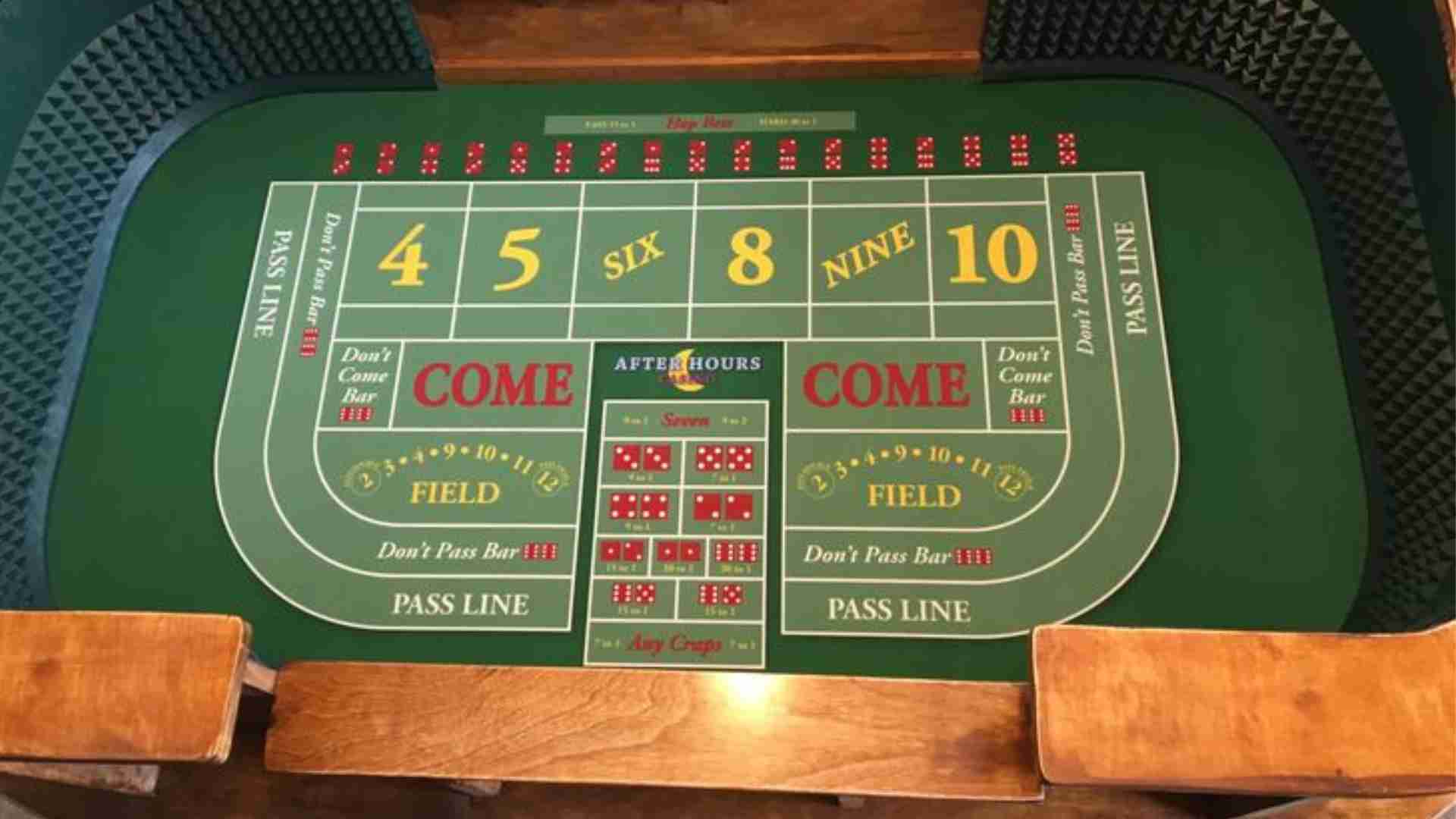
Navigating the rules for entering a physical or digital gaming venue requires a clear understanding of age restrictions, as regulations vary significantly across different borders. State and federal laws dictate these restrictions to ensure consumer protection and legal compliance. Checking entry limits ahead of time prevents unexpected issues at the door.
Understanding Minimum Age Limits Across the United States
In the United States, age minimums are governed by individual state legislation and tribal compacts. Most commercial establishments set their entry threshold at 21 years old, primarily due to alcohol licensing regulations. However, tribal venues in certain states permit entry and gaming for individuals who are at least 18 years old.
Some jurisdictions create hybrid environments where non-gambling areas allow younger patrons, while floor entry is strictly restricted. Venue security rigorously verifies valid identification to comply with legal guidelines. Failing to meet state-specific requirements can result in denied entry and potential legal forfeitures of any winnings.
International Entry Standards for Casino Patrons
Global destinations establish age rules based on local legal frameworks and cultural standards. Across much of Europe and Australia, the standard legal threshold for entering gaming spaces is 18 years old. Certain nations, such as Germany or Singapore, enforce higher age requirements or impose levies on local residents entering gaming facilities.
Digital platforms also adhere to regional laws by using strict identity verification protocols during registration. Many international platforms, including regulated destinations like m88 login terbaru, implement automated check systems to verify a user's legal age before granting real-money access. Players should research local statutes before traveling abroad to ensure compliance with foreign gaming legislation.
Factors Influencing Regional Age Laws
Legislators take multiple factors into account when drafting age restrictions for gaming facilities. The primary consideration is public policy focused on responsible gambling and the protection of younger adults. Aligning gaming limits with legal drinking ages is also common to streamline venue management and security oversight.
Economic goals and tourism strategies can also influence how regulations are structured. Some regions lower entry thresholds to attract younger adult tourists, while others enforce strict controls to prioritize domestic welfare. Understanding these underlying factors helps clarify why neighboring jurisdictions can have drastically different rules.
Preparing Necessary Identification and Documentation
Visitors planning to enter a casino must carry valid government-issued photo identification for entry verification. Passports, driver's licenses, and national identity cards are standard accepted forms of identification. Expired documents or unverified digital copies are routinely rejected by security teams during entry checks.
Ensuring your documentation is current saves time and prevents unnecessary complications at security checkpoints. Venue staff are mandated to conduct checks regardless of how old a patron appears. Taking a few moments to confirm age requirements beforehand guarantees a seamless and hassle-free experience.